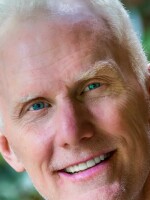
BELLINGHAM — On a grey, wintry afternoon, Jeremy Dorrough stood outside a coffee shop in this northern city, an hour's drive from the Canadian border, and voiced fear for the small community of Afghan refugees settled here.
"They're constantly looking out the window and asking, are they coming for me tonight? Am I next?" said Dorrough, who leads a volunteer group called Racial Unity Now.
After meeting with Afghan families in recent days, he described their mood as "overwhelming fear."
Bellingham is a college town, home to roughly a hundred thousand people. It's a verdant, outdoorsy place; the tourism bureau for the county is full of recommendations for hiking paths, biking trails, and places to go kayaking or snowshoeing.
A small cluster Afghan families, numbering in the dozens according to Dorrough and other volunteers who helped with resettlement, began arriving here in 2021 after the fall of Kabul. U.S. allies were evacuated from Afghanistan, vetted and offered a fresh start in America.

Bellingham's cluster of Afghans lived in obscurity until one of their own, 29-year-old Rahmanullah Lakanwal, drove to Washington, D.C., in late November. Lakanwal, who worked with and was vetted by the CIA in Afghanistan before coming to the U.S. in 2021, allegedly yelled "Allahu Akbar!'" and opened fire with a handgun, according to court documents filed by federal prosecutors.
The attack left one National Guard member dead and another seriously wounded. Lakanwal pleaded not guilty to first degree murder and other charges.
"Universally the feeling was fear"
People in Bellingham told NPR the attack sent shockwaves through the local Afghan community, which was already struggling with poverty, language barriers, and cultural isolation.
Some in Bellingham who work closely with Afghan refugees say they are even more vulnerable now. Gabriel Harrison is an immigration attorney who's met in recent days with many of the community's Afghan families.
"Universally the feeling was fear," Harrison said. "What will happen to my family, what will happen to our cases, are we going to be detained?"
In the wake of last month's attack, the FBI raided the Lakanwal's apartment in downtown Bellingham and questioned Afghan families in the city.
Homeland Security Secretary Kristi Noem said in an appearance on NBC's Meet the Press that it appeared Lakanwal had been "radicalized" while living in the U.S.
"He's been in this country in the Washington state area, we do know that we're talking to his contacts, going through his information," Noem said. "Anyone that [Lakanwal] would have talked to, anyone that he knows that would have known about this plan and this attack... there will be consequences and they will pay."
People here said they saw no sign that Lakanwal had been radicalized or that he held political or religious views hostile to the U.S.
In a statement sent to NPR, the Bellingham mosque, known officially as the Islamic Society of Whatcom County, voiced dismay and sorrow over the D.C. attack.
"We are fully cooperating with the FBI and local authorities as we remain collectively committed to ensuring the safety, pace and wellbeing of our neighbors," the statement read. "As local Bellingham leaders have also emphasized, no community should be judged by the conduct of a single person."
While the investigation is underway, President Trump moved to freeze Afghan asylum claims and launched a re-examination of Afghan families living in the U.S. legally.
That scrutiny and deepening uncertainty over their future in the U.S. added to the fear among Afghan families. "All they are doing is stressing," said Mohamed, an Afghan national who works in Washington state helping families resettle. "They are worrying, they are living in a desperate situation right now," he said.

Mohamed, who worked as an interpreter for the U.S. military before fleeing to the U.S., spoke to NPR on the condition that we refer to him by his first name alone.
He said he believes the Trump administration could target his legal status and he fears for the safety of family members still living in Afghanistan.
"In the current situation, even I am worried about my situation. I might lose my legal status," Mohamed said. He's been getting a lot of phone calls from other families caught by the freeze. "They are asking like, when will this policy end, when will the immigration process begin again?" he said.
Adding to the fear is that fact that Afghans who worked closely with the U.S. government fear being persecuted by the Taliban regime if deported and sent back. "It's like the Trump administration is presenting all these people to the Taliban to die," Mohamed said.
Concern over lack of support for struggling refugees
Activists and volunteers who've worked to help Afghan families here are scrambling now to provide support while this crisis plays out. But many say they're also grappling with regret that more wasn't done to integrate refugees who faced huge language and culture barriers after fleeing a war.
As NPR has previously reported, one volunteer who worked directly with the Lakanwal family in Bellingham said they believed Rahmanullah Lakanwal's mental health was deteriorating as early as January 2024. They struggled to find resources to help him. "My biggest concern was that [Lakanwal] would harm himself," the refugee resettlement volunteer told NPR. "I worried he would be suicidal because he was so withdrawn."
The volunteer agreed to be interviewed on condition of anonymity because they said they feared possible retaliation for having worked with Afghan refugees, including the Lakanwals.
Others who worked with Afghan families in Bellingham share the view that support for refugees was inadequate and quickly evaporated after they were brought to the U.S.
"I was a Christian in the Christian ministry," said Dorrough. "The Afghan community ended up falling to us a lot of the time simply because there was no where else to turn. We need to help them."
"They need help with a lot of basic needs," said Mohamed. "They need jobs and they need help getting to know the culture and just to start their lives. They really need help."
Harrison, the immigration attorney, said many Afghans in Bellingham are afraid to seek help from social service programs because they feared it might leave them legally vulnerable: "They always want to know, if I obtain these benefits, is it going to affect my asylum case? Is it going to hurt my family?"

In statements after the shooting in D.C., Trump questioned whether Afghan refugees contribute in positive ways to American life. But many people in Bellingham told NPR they do see these families as an important new part of the community.
"They've all been humble, kind educated people," Harrison said. "In asking them, what do they want people to know about their situation, they said, 'We're not violent, we're not a violent people.'"
There's also a widespread view here that Trump's crackdown on refugees and asylum seekers is an overly broad and aggressive reaction to an attack allegedly carried out by one Afghan national Skyler Anderson is a neighbor of the Lakanwal family in the apartment building raided by the FBI last week.
"I mean their kids were always outside playing soccer in the stairwells, never any screaming or yelling or nothing like that from their apartment," Anderson said. He added that if Lakanwal is found guilty he should be punished, but other Afghans in the community should be left alone. "I don't think we should deport everybody," he said.
Copyright 2025 NPR